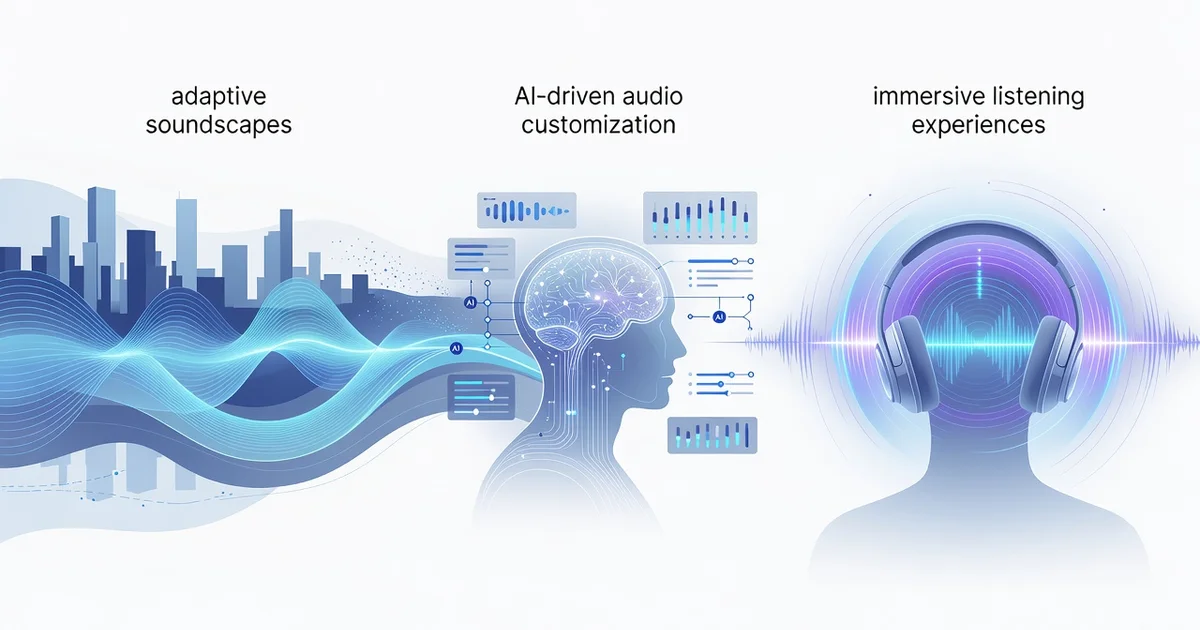
The future of personalized audio technology is closer than you think. Headphones that adapt to your hearing, earbuds that translate languages in real time, and speakers that tune themselves to any room are already moving from concept to reality. These innovations promise a listening experience tailored to you—not the average user.
In this article, we break down what personalized audio technology actually means, the key breakthroughs driving it, and how you can take advantage of it today. Whether you’re a casual listener or a serious audiophile, you’ll find practical insights you can act on right away.
Introduction
Personalized audio technology is moving quickly from a niche feature to a standard expectation. Headphones, earbuds, hearing aids, smart speakers, and even car sound systems are beginning to adapt sound to the individual listener rather than delivering one fixed tuning for everyone. This article explores The Future of Personalized Audio Technology with clear, practical guidance, helping you understand what is changing, why it matters, and how to take advantage of it without getting lost in marketing claims.
At its core, personalized audio uses data about your hearing, your environment, and your listening habits to shape sound in real time. That can mean boosting frequencies you have trouble hearing, reducing frequencies that cause fatigue, or adjusting spatial cues so audio feels more natural to you. The result is not just better sound quality. It can also reduce listening fatigue, improve speech clarity, and make everyday audio experiences more comfortable.
Understanding the fundamentals of The Future of Personalized Audio Technology helps you make informed decisions. Whether you are choosing new headphones, setting up a home audio system, or simply trying to protect your hearing, the same principles apply: measure, adjust, and verify. Reliable information and consistent habits lead to better long-term outcomes.
Key Concepts
Before diving into specific products or settings, it helps to understand a few core concepts that appear again and again in personalized audio.
Hearing profiles and audiograms
An audiogram is a chart that shows how well you hear different frequencies. Many personalized audio systems use a simplified version of this idea. Instead of testing your hearing in a clinic, they play a series of tones and ask you to respond when you hear them. The system then builds a profile that reflects your unique sensitivity across the frequency range. This profile becomes the foundation for equalization, volume limits, and dynamic range adjustments.
Adaptive equalization
Adaptive equalization automatically adjusts the balance of low, mid, and high frequencies based on your hearing profile and the content you are listening to. For example, if you have mild high-frequency hearing loss, the system may gently boost those frequencies in speech-heavy content like podcasts or audiobooks. When you switch to music, it may rebalance the sound to preserve the artist’s intent while still accommodating your profile.
Environmental awareness and noise adaptation
Your listening environment changes constantly. A quiet room, a busy street, and a noisy train all require different audio treatment. Personalized systems use microphones to sample ambient noise and adjust both the audio output and noise cancellation in real time. The goal is to keep speech intelligible and music enjoyable without forcing you to constantly change volume or settings.
Spatial audio and head tracking
Spatial audio creates the impression that sound is coming from different directions around you. Head tracking uses sensors to adjust the sound field as you turn your head, making the experience feel more like a live performance or a movie theater. When combined with personalized hearing profiles, spatial audio can become more accurate and less fatiguing, because the system knows which cues matter most to you.
On-device versus cloud processing
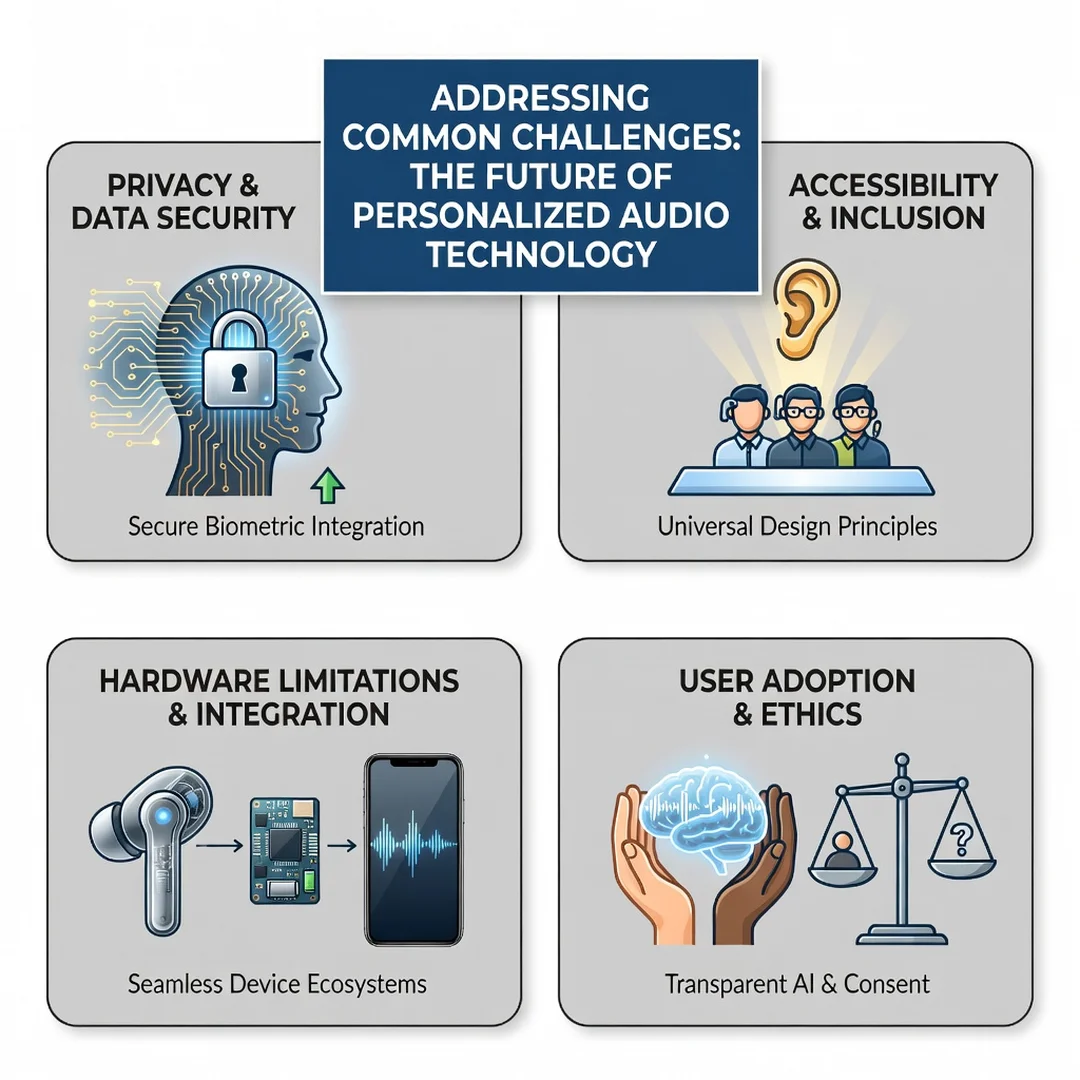
Some personalized audio features run entirely on your device, while others rely on cloud servers. On-device processing is faster and more private, because your hearing data never leaves the hardware. Cloud processing can handle more complex models and learn from larger datasets, but it raises questions about data storage and sharing. As a user, it is worth knowing which approach a product uses.
Deep Dive
The future of personalized audio is not a single invention. It is a combination of sensors, software, and standards that are evolving together. To understand where things are going, it helps to look at the forces driving change.
From one-size-fits-all to individual tuning
For decades, audio equipment was designed around an average listener. Headphones had a fixed frequency response, and speakers were tuned for a typical room. Personalized audio breaks that assumption. Instead of asking you to adapt to the device, the device adapts to you. This shift is visible in three areas:
- Consumer headphones and earbuds: Many now offer hearing tests and custom EQ profiles through companion apps.
- Hearing aids and hearables: These devices increasingly blend medical-grade hearing support with everyday audio streaming and fitness tracking.
- Home and car audio: Room correction and seat-specific tuning are becoming more accessible, using microphones and calibration routines.
Why personalization matters for long-term hearing health
Listening at high volumes for long periods is a major cause of hearing damage. Personalized audio can help by reducing the need to crank up the volume. If speech and music are already tuned to your hearing, you can enjoy them at lower levels. Some systems also track your listening duration and warn you when you approach unsafe exposure limits. These features are not a substitute for professional care, but they are a practical step toward healthier habits.
The role of machine learning
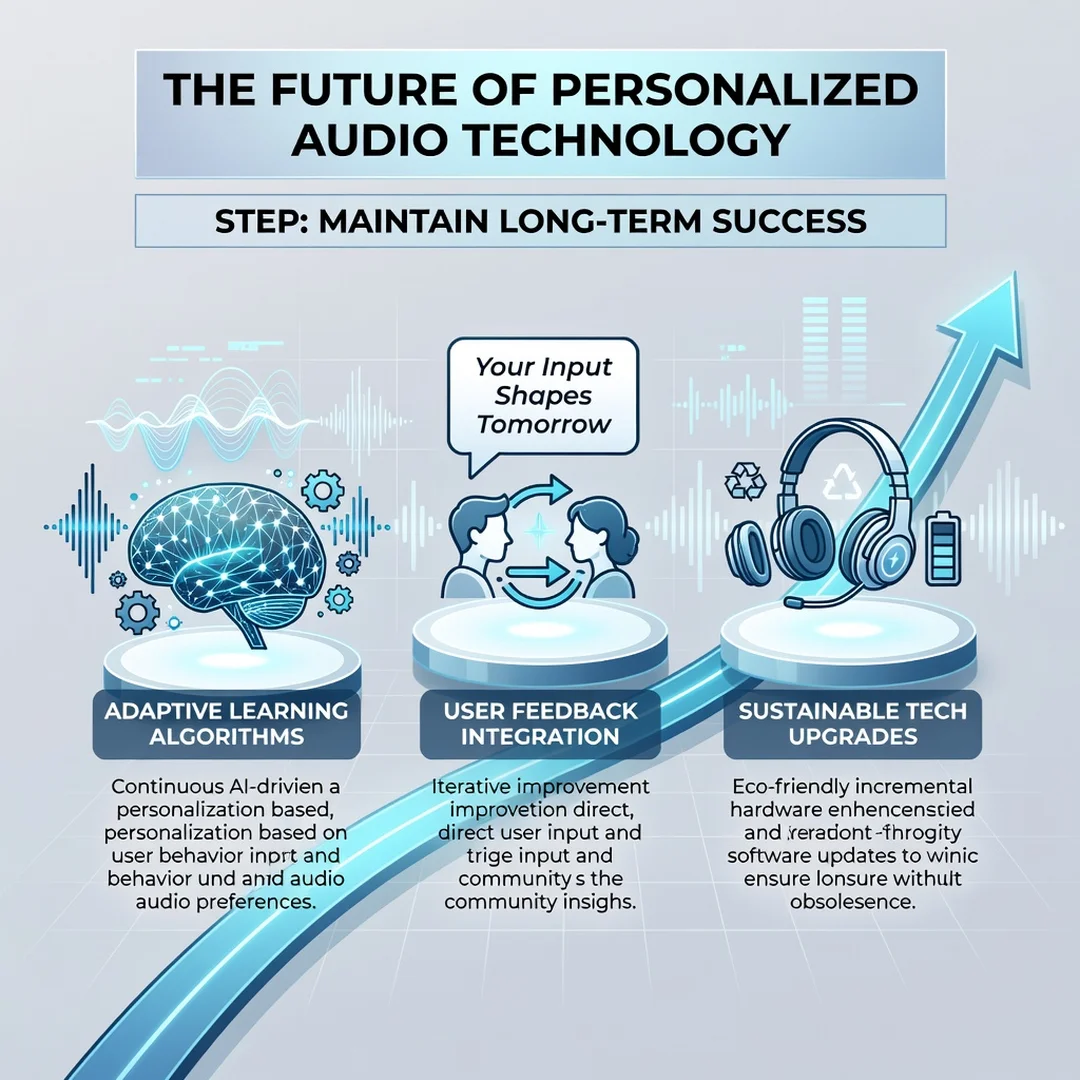
Machine learning models can identify patterns in how you adjust volume, skip tracks, or change settings. Over time, the system can predict what you want and adjust automatically. For example, it might learn that you prefer more bass in the morning and a warmer sound in the evening. The more consistent your habits, the more accurate these predictions become. That said, transparency matters. You should be able to see what the system has learned and reset it if needed.
Privacy and data ownership
Hearing profiles are sensitive data. They can reveal information about your health, age, and daily environment. As personalized audio grows, so do questions about who owns that data and how it is used. Look for products that offer clear privacy policies, on-device processing where possible, and the ability to delete your data. Reliable information and consistent habits lead to better long-term outcomes, and that includes good data hygiene.
Best Practices
Getting the most out of personalized audio does not require an engineering degree. The following practices apply whether you are setting up a new pair of earbuds, a home theater system, or a hearing support device.
Start with a proper hearing check
Before you trust any app-based hearing test, consider a professional hearing evaluation if you have any concerns about your hearing. An audiologist can provide a detailed audiogram and rule out medical issues. Consumer tests are convenient, but they are not a diagnosis. Use them as a starting point, not a final answer.
Create a quiet environment for calibration
Many personalized audio systems ask you to run a calibration routine. Do this in a quiet room, with no background music or conversation. Small errors in calibration can lead to large differences in the final sound profile. Take your time and repeat the test if the results seem inconsistent.
Adjust gradually and test with real content
When you apply a new profile, avoid making drastic changes all at once. Listen to a variety of content: speech, acoustic music, bass-heavy tracks, and maybe a movie scene. Your goal is balance, not maximum impact. If something sounds harsh or dull, make small adjustments and listen again.
Keep your firmware and apps updated
Personalized audio algorithms improve over time. Manufacturers often release updates that refine calibration, add new features, or fix bugs. Enable automatic updates where possible, and check the app periodically for new settings.
Protect your data
Review the privacy settings in your audio apps. Turn off data sharing if you are not comfortable with it. Use strong passwords and two-factor authentication where available. If a product requires a cloud account, check whether you can export or delete your hearing profile.
Combine personalization with safe listening habits
No technology can fully undo the effects of prolonged exposure to loud sound. Follow the 60/60 rule as a general guide: listen at no more than 60 percent of maximum volume for no more than 60 minutes at a time. Take breaks, and use noise cancellation to reduce the need for high volume in noisy places.
Step-by-Step Guide to Personalizing Your Audio
If you are ready to try personalized audio for yourself, here is a practical sequence you can follow. Each step builds on the previous one.
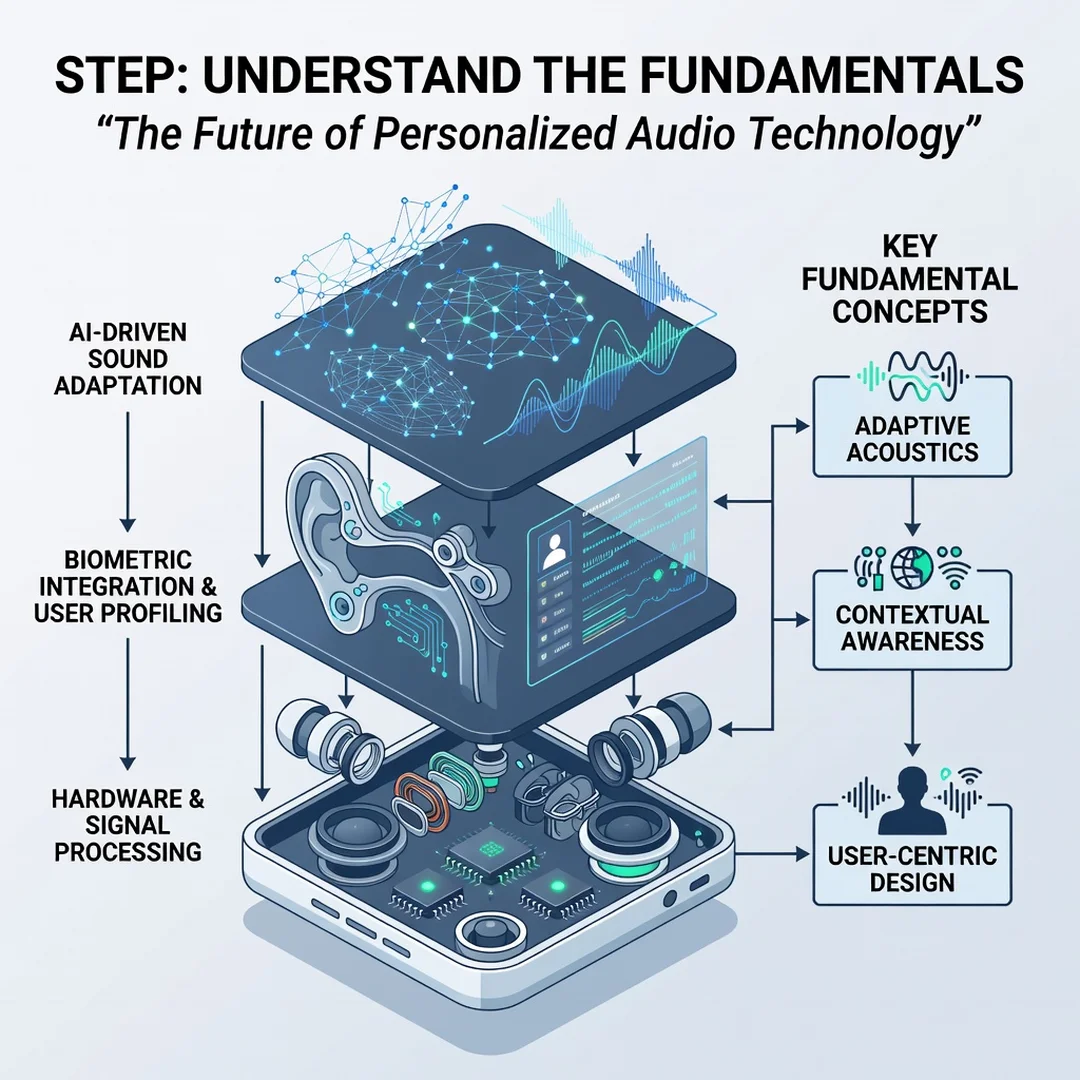
Step 1: Understand the fundamentals
Before you change any settings, make sure you understand the basics covered earlier: hearing profiles, adaptive equalization, environmental awareness, and spatial audio. Knowing what each feature does will help you choose the right options and avoid confusion. Read the product documentation and look for independent reviews that explain how the personalization actually works.
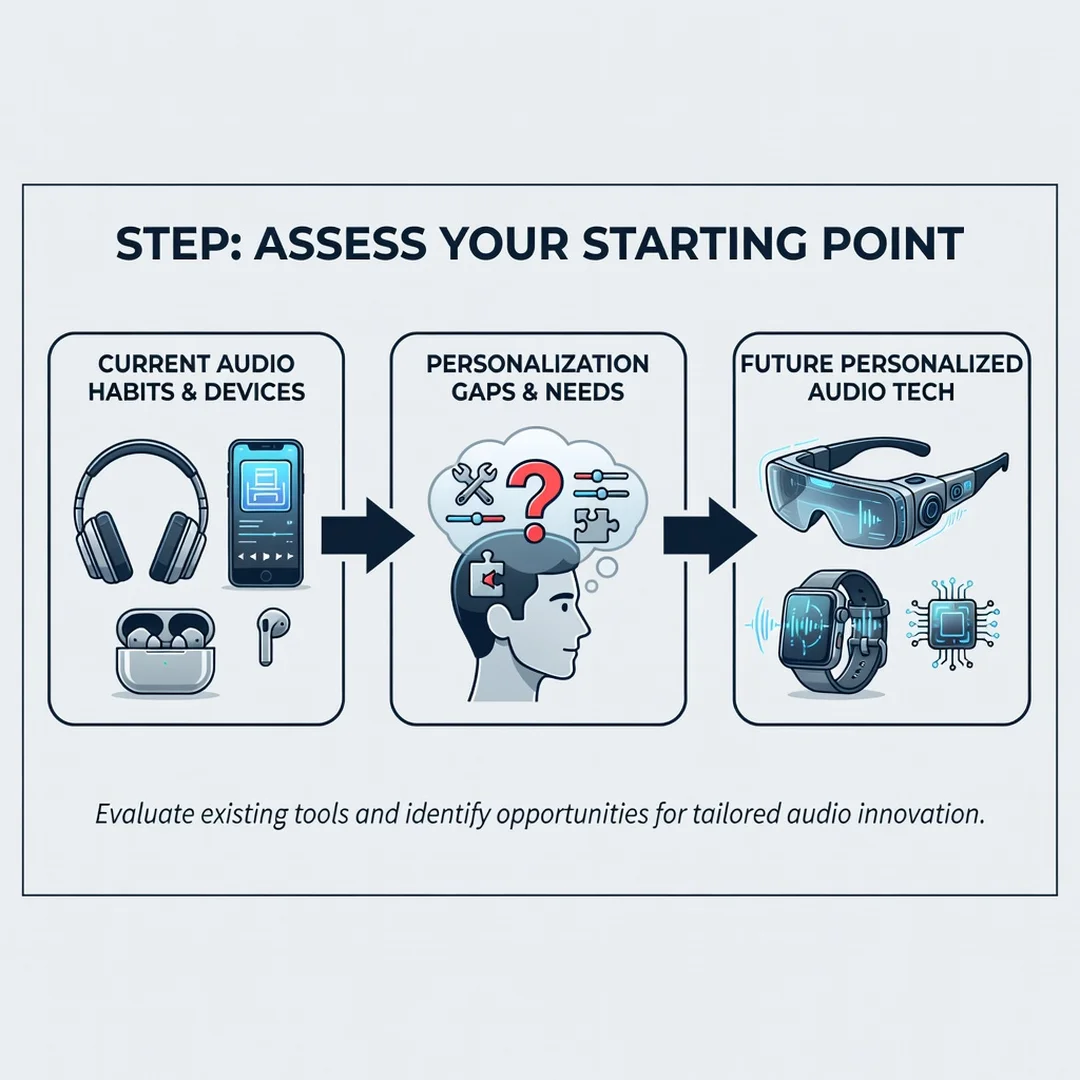
Step 2: Assess your starting point
Take stock of your current equipment, your listening environments, and your hearing. Do you mostly listen on headphones, earbuds, or speakers? Do you struggle to understand speech in noisy places? Have you noticed any ringing or muffled hearing after listening? Write down your observations. If you have access to a hearing test, use it. This baseline will help you measure improvement later.
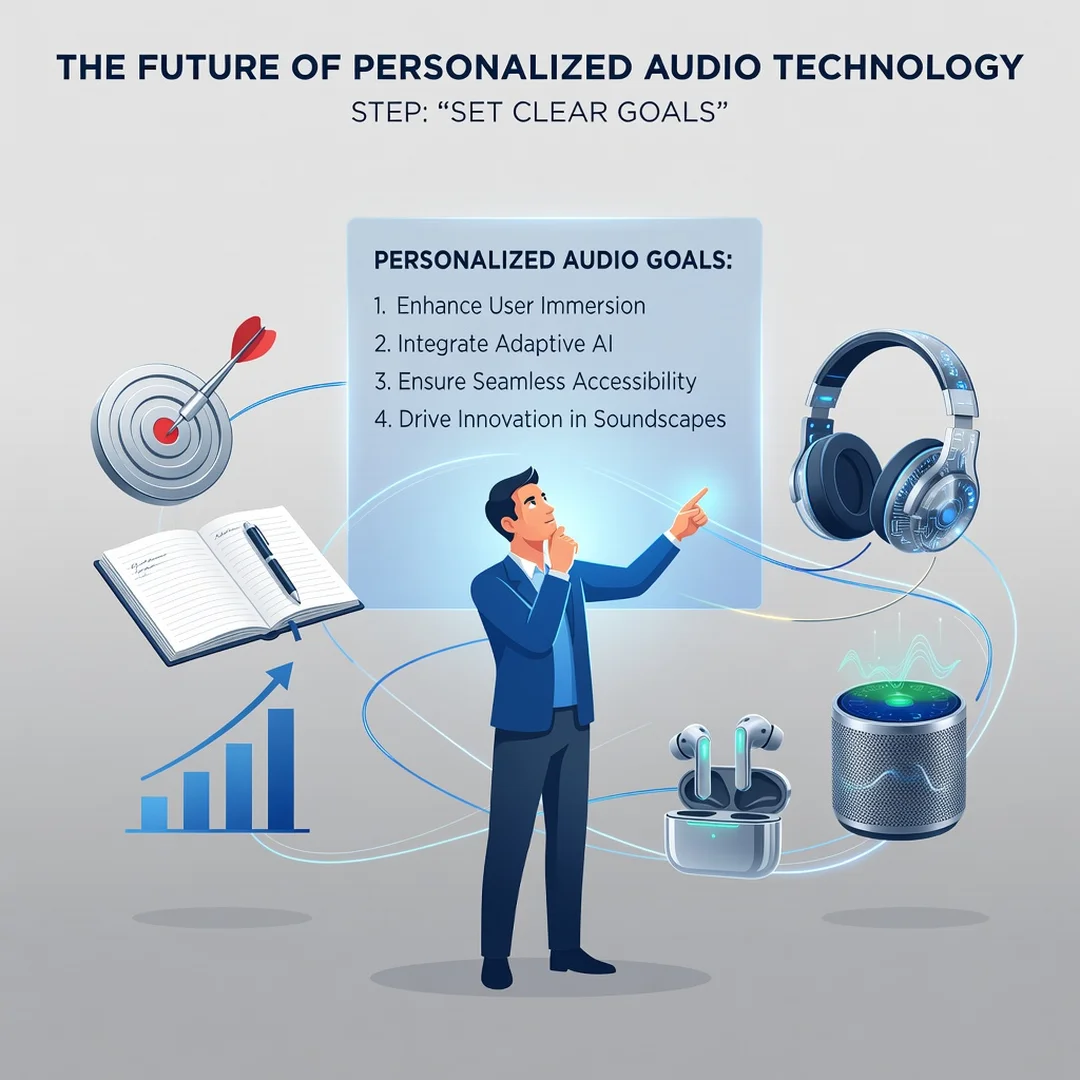
Step 3: Set clear goals
Decide what you want personalized audio to achieve. Examples include: clearer speech on calls, less fatigue during long listening sessions, better bass without distortion, or safer volume levels. Having specific goals makes it easier to evaluate whether a feature or product is actually helping. Avoid vague goals like “better sound” and replace them with measurable ones.
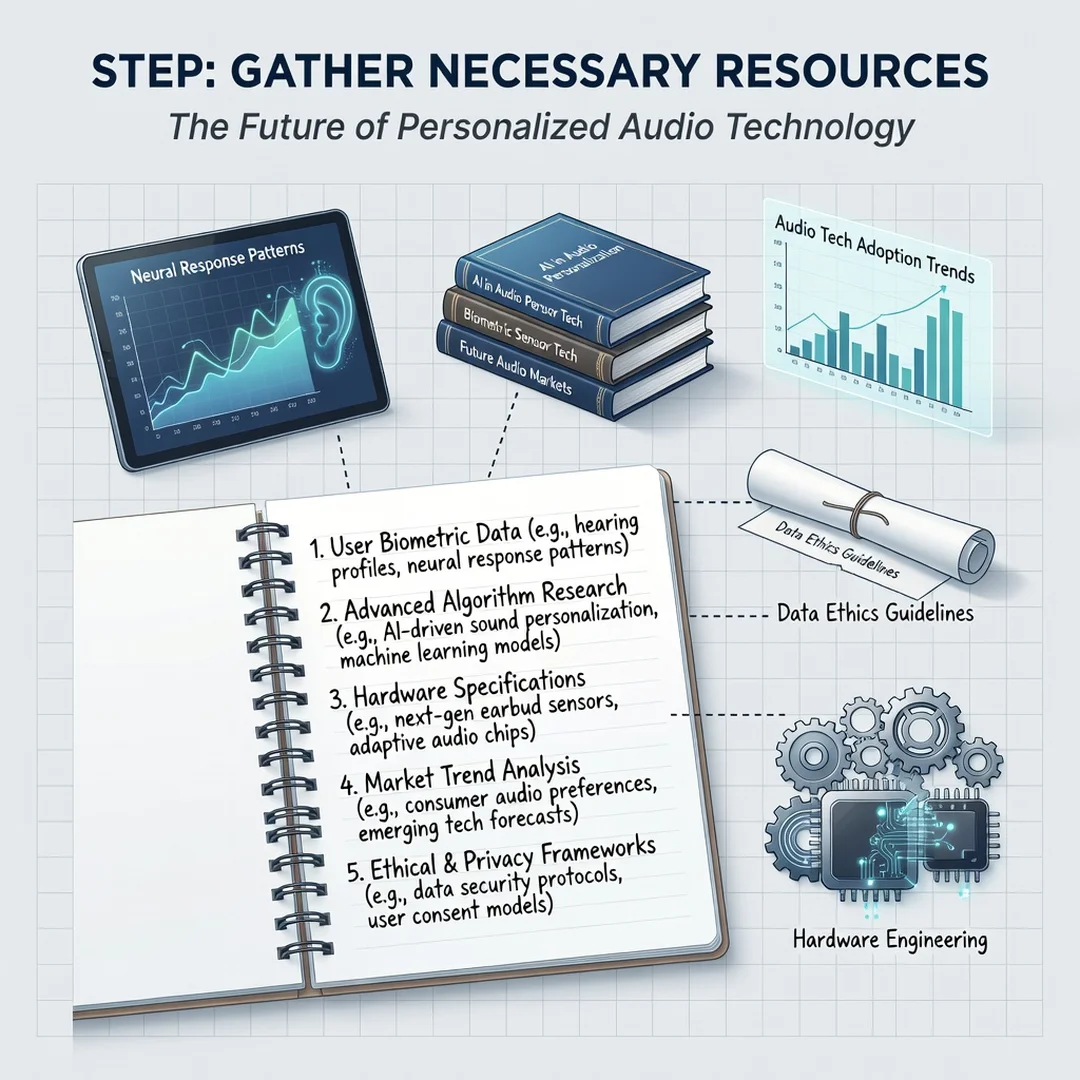
Step 4: Gather necessary resources
Collect what you need: a compatible device, the companion app, a quiet space for calibration, and a reliable internet connection if cloud processing is required. If you are considering hearing aids or hearables, check whether you need a prescription or a professional fitting. For home audio, you may need a calibration microphone. Having everything ready before you start saves time and frustration.
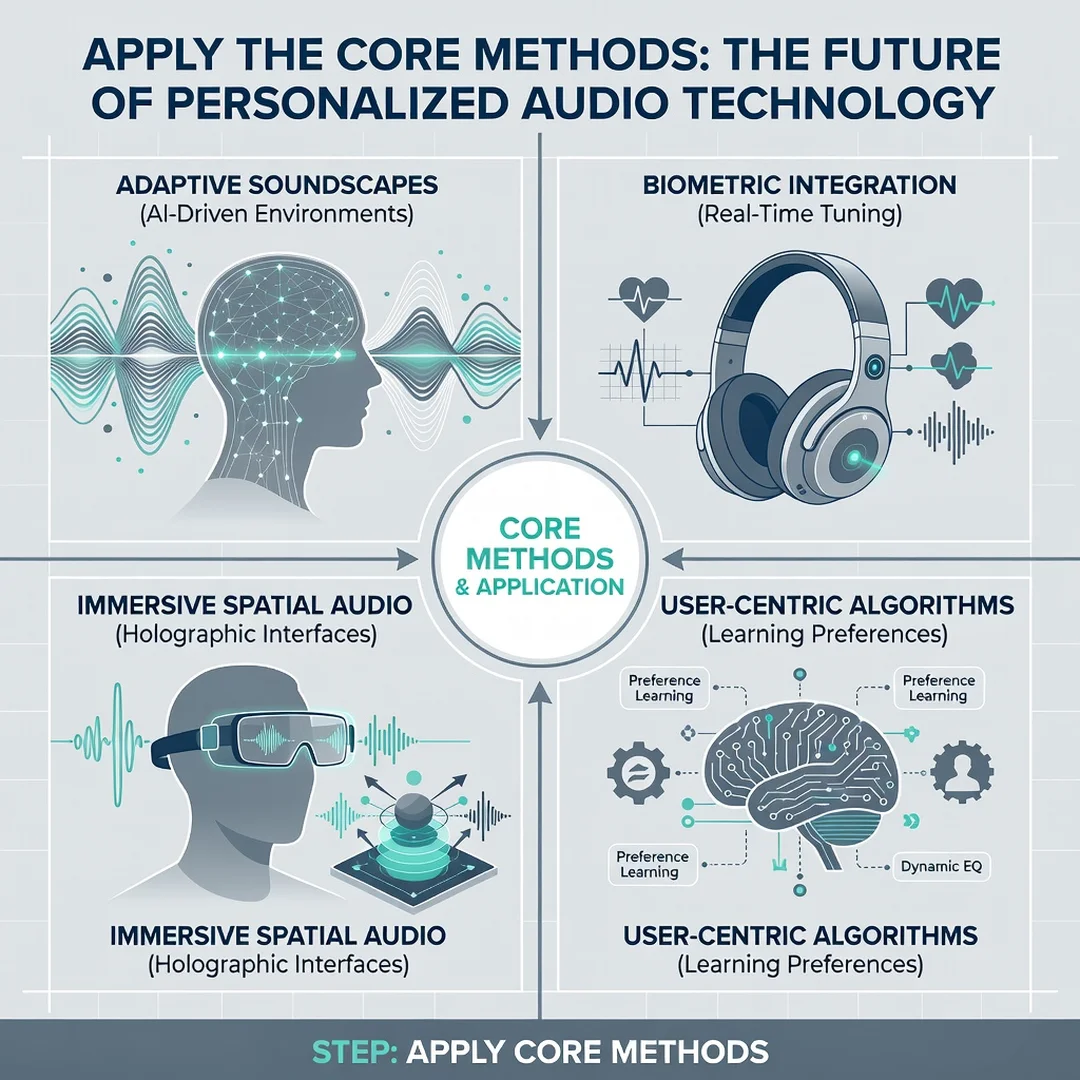
Step 5: Apply the core methods
Run the hearing test or calibration routine. Apply the resulting profile. Then test with real content in different environments. Adjust the intensity of the personalization if the app allows it. Some systems offer a slider between “neutral” and “full personalization.” Start closer to neutral, then move toward full personalization as you get comfortable. Repeat the process for each device or listening scenario.
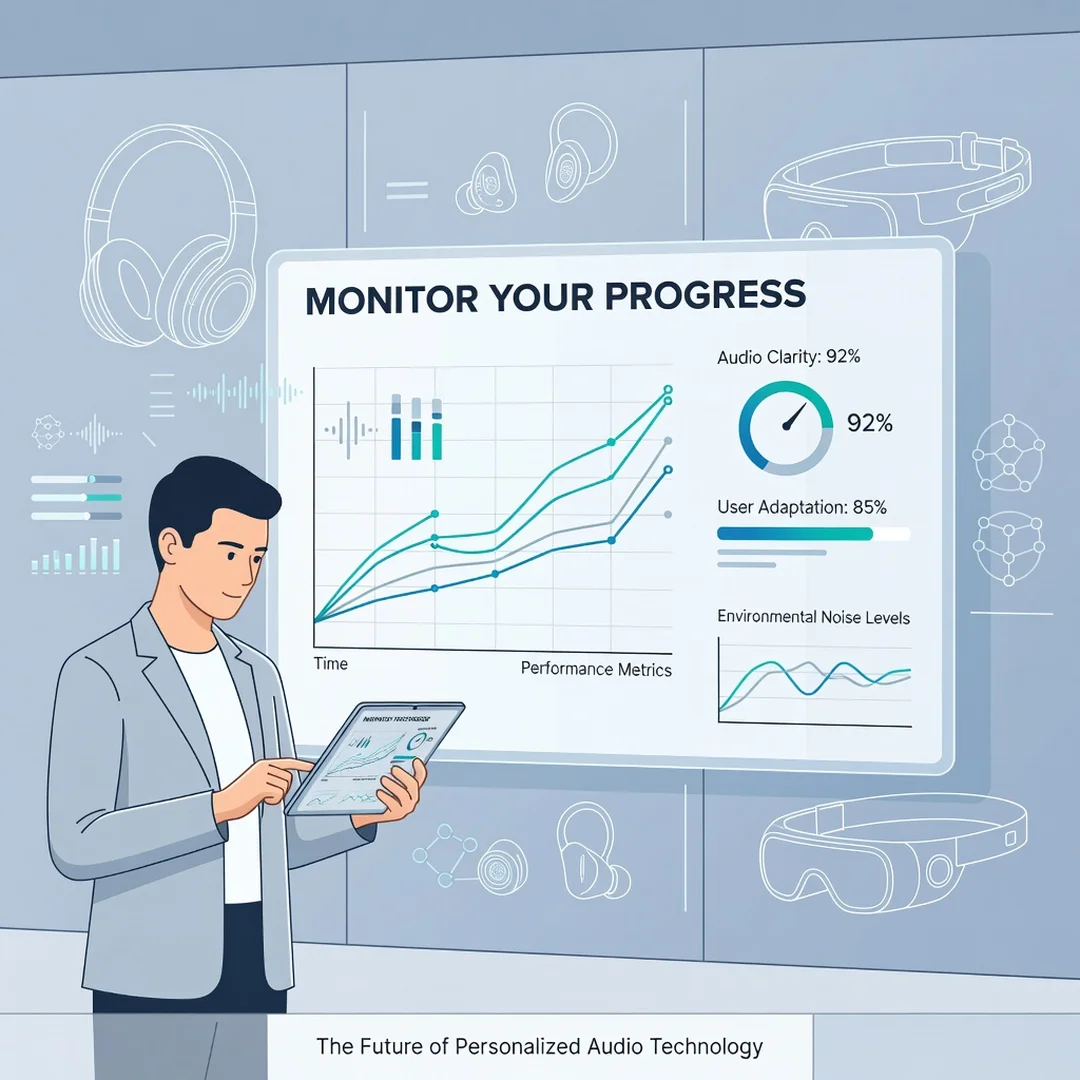
Step 6: Monitor your progress
You now have a solid foundation for The Future of Personalized Audio Technology. Apply the best practices above and revisit this guide as your needs evolve.